The Origins and Influence of Streetwear Culture in Modern Fashion
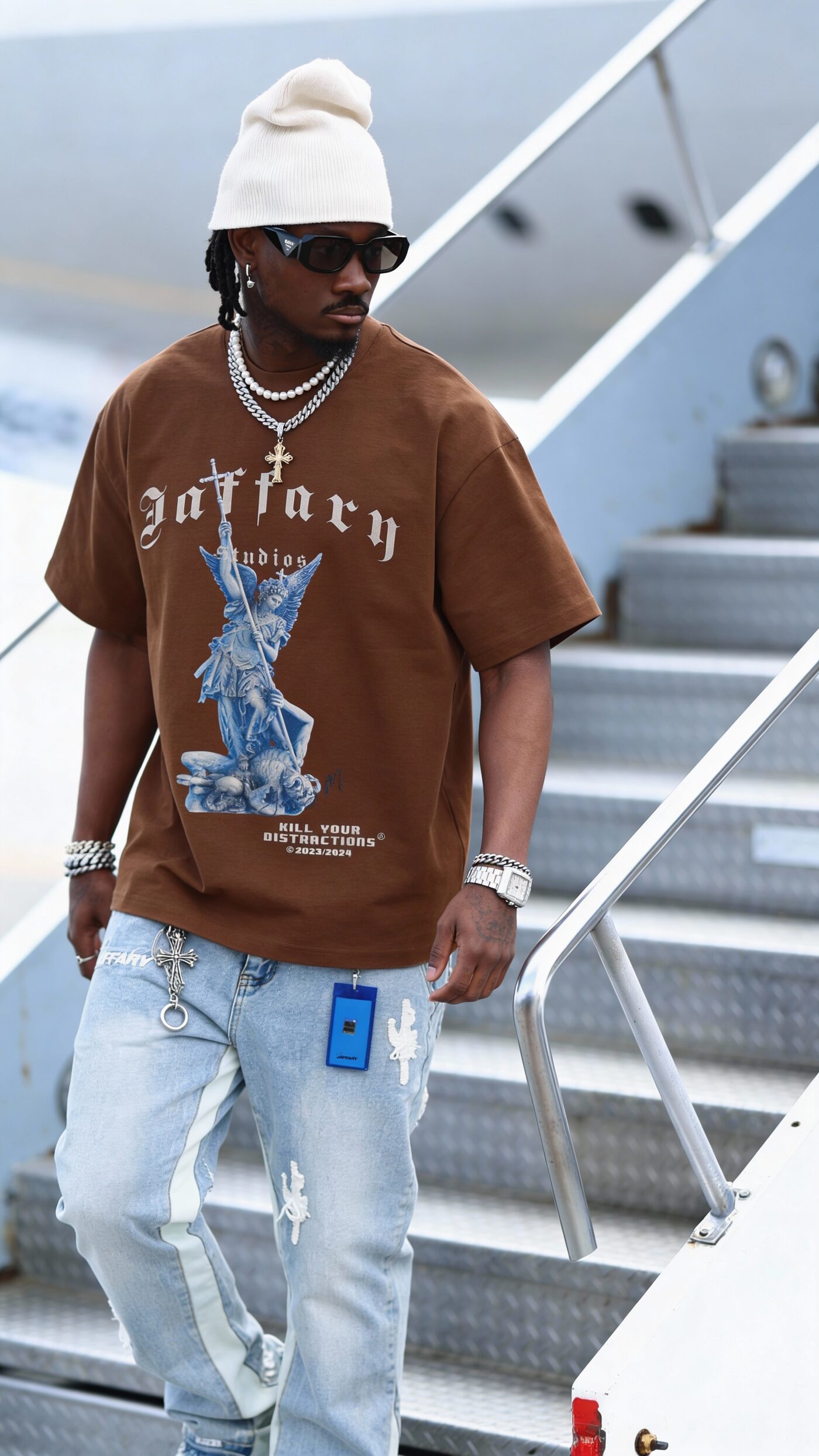
The Roots of Streetwear: From Subculture to Global Movement
To understand streetwear as it exists today, we must rewind to its formative decades in the 1980s and 1990s. Born from a mix of skateboarding, hip-hop, and punk subcultures, streetwear was never about mainstream acceptance. Instead, it thrived as an embodiment of rebellion, self-expression, and community. In cities like New York City, Los Angeles, and Tokyo, underground scenes shaped a countercultural ethos that permeated through baggy silhouettes, graphic-heavy tees, and sneaker culture.
Key figures like Shawn Stussy, founder of Stüssy in 1980, laid the groundwork for what we now recognize as the streetwear aesthetic. Stüssy’s surf-inspired graphic designs on oversized T-shirts became a symbol of creative individuality. Around the same time, brands like Supreme, founded in 1994 by James Jebbia in New York City, took the skateboarding world by storm—creating highly curated collections paired with limited-edition drops, setting the blueprint for today’s highly exclusive 'drop culture.'
How Subcultures Shaped Streetwear
Streetwear’s DNA is intrinsically tied to subcultures. In the 1990s, hip-hop artists elevated the scene, with brands like FUBU (For Us, By Us) catering directly to a Black audience underserved by traditional fashion houses. Similarly, artists like Tupac Shakur and Aaliyah turned oversized jerseys, Timberland boots, and bandanas into fashion statements, influencing an entire generation.
By the early 2000s, Japanese designers like Hiroshi Fujiwara of Fragment Design and Nigo of A Bathing Ape (BAPE) elevated streetwear into a global phenomenon. Their focus on craftsmanship, exclusivity, and collaborations with Western brands bridged the gap between high fashion and urban culture, laying the groundwork for brands like Jaffary Studios that deliberately blend streetwear’s raw essence with refined luxury today.
The Marriage of Streetwear and Luxury Fashion
Fast-forward to the mid-2010s, streetwear and luxury fashion became two sides of the same coin. For example, when Louis Vuitton famously collaborated with Supreme in 2017, it marked a turning point in how legacy brands perceived sneaker culture and hoodies as viable high-fashion statements. The boundaries blurred further with designers such as Virgil Abloh, founder of Off-White and later artistic director of Louis Vuitton’s menswear, who reimagined 'luxury' as something more inclusive and culturally responsive.
Modern Trends Shaping Streetwear in 2026
March 2026 finds streetwear leaning heavily into sustainability and functionality. Luxe technical fabrics, modular garments, and a focus on slow fashion echo the growing demand for conscious consumption. Brands like Jaffary Studios lead the charge here, crafting pieces grounded in timeless aesthetics while staying rooted in avant-garde streetwear sensibilities. Their ability to blend statement designs with purposeful functionality reflects where modern streetwear is heading.
Furthermore, the rise of AI and digital fashion has transformed how we view personal style. Virtual runway shows and NFT collaborations with major streetwear brands now blur physical boundaries. Design houses like Jaffary Studios are exploring interactive experiences, ensuring their pieces resonate both in digital and physical wardrobes. To see some of their visionary creations firsthand, you can explore the full lookbook.
What’s Next for Streetwear?
As streetwear evolves, its ethos of disruption remains intact. Yet, in today’s world, it isn’t just about rebellion—it’s about intention. Consumers yearn for garments that carry weight, meaning, and identity. Limited drops and collaborations maintain their allure, but now storytelling, inclusivity, and sustainable practices define success in the space.
March 2026 also marks the rise of experimental silhouettes and craftsmanship. Oversized tailoring meets structured street staples, emphasizing contrast. Brands like Jaffary Studios seamlessly adapt this trend, creating versatile wardrobe pieces that transcend seasons and occasions. Think wide-legged trousers paired with a structured bomber jacket or techwear blazers reimagined for everyday wear.
Moreover, global iterations of streetwear are becoming impossible to ignore. South Korea’s burgeoning streetwear scene combines androgynous minimalism with K-pop influence, while African designers are blending traditional prints with contemporary cuts to redefine what street-inspired fashion can look like.
Streetwear: A Culture, a Movement, a Legacy
Streetwear is no longer the underdog of fashion—it’s a multi-billion-dollar industry with deep cultural roots and a bold, unapologetic future. What began in the gritty streets of urban hubs has ascended to runway spotlights and global recognition. The movement has undoubtedly shifted perspectives on what it means to dress with purpose and individuality.
In this ever-evolving narrative, brands like Jaffary Studios symbolize the perfect fusion of heritage and innovation, redefining luxury streetwear for the intentional consumer. With each modern interpretation, they remind us why streetwear is more than just clothes—it’s a lifestyle. The mantra 'K!LL Your Distractions' captures how focusing on authenticity allows us to embrace the essence of streetwear culture, past and present.