The State of Fashion in 2026: Innovations, Trends, and Cultural Shifts
Fashion in 2026: Where Heritage Meets Innovation
The fashion industry in 2026 stands at a crossroads of legacy and disruption, where heritage craftsmanship meets cutting-edge technology. Iconic fashion houses like Gucci and Louis Vuitton are reexamining their roots while embracing daring blends of augmented reality and sustainability. Meanwhile, streetwear labels continue to push boundaries, leveraging cultural movements and redefining what it means to wear luxury daily.
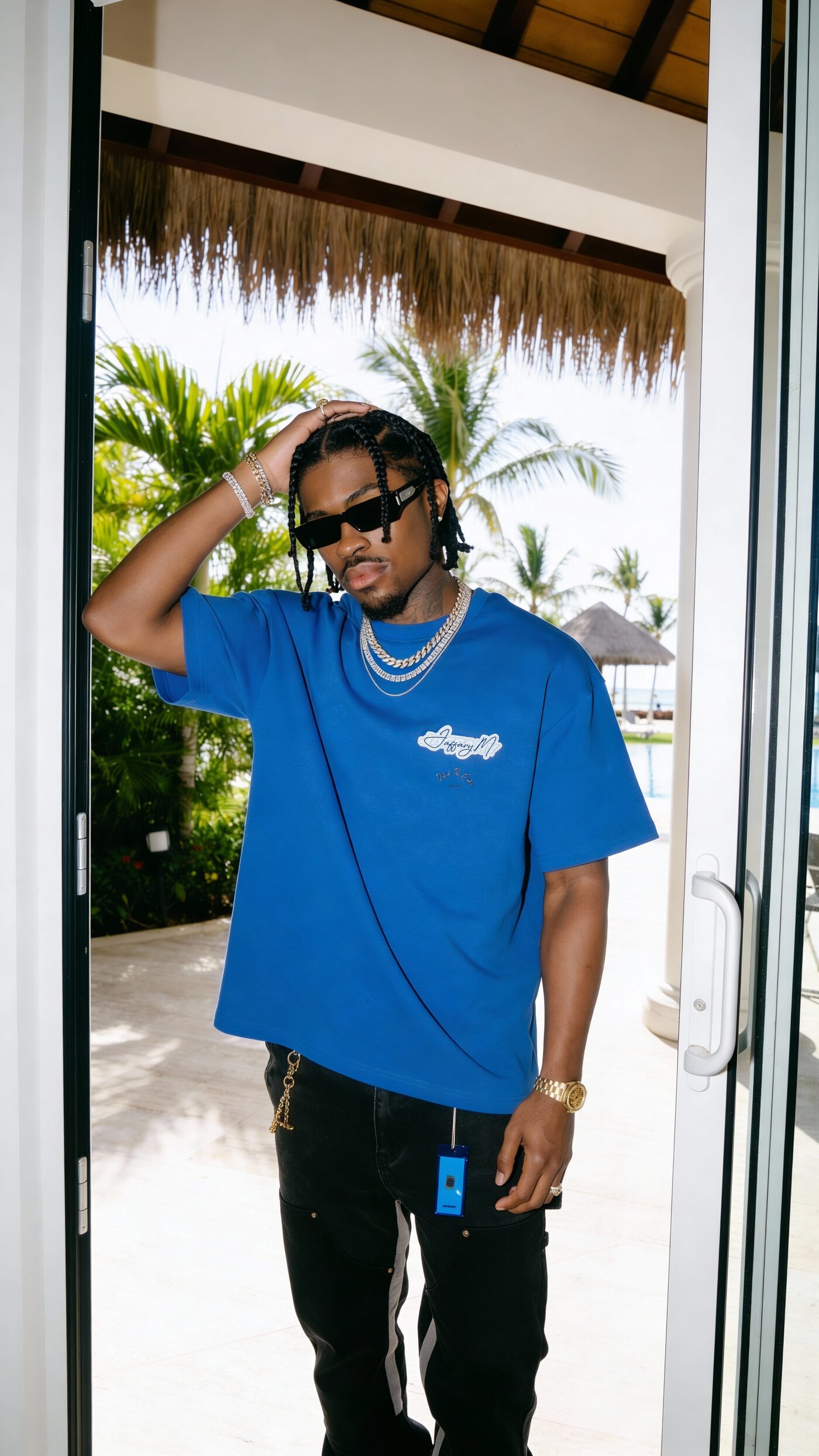
Brands like Jaffary Studios exemplify this shift, merging premium materials with the gritty, authentic spirit of street culture. Their motto, 'K!LL Your Distractions,' resonates with an audience seeking clarity and focus in a world overflowing with choices. This ethos has struck a chord with modern consumers and underscores a deeper cultural shift toward intentional living—through fashion and beyond.
As digital-first initiatives take center stage and sustainability becomes non-negotiable, fashion in 2026 is anything but static. Let’s break down the key trends shaping the industry this year.
The Rise of Generative AI in Fashion Design
Generative AI arrived in fashion several years ago, but 2026 marks its coming of age. Designers now collaborate with AI, using algorithms to co-create striking textile patterns, futuristic silhouettes, and garments that adapt fluidly to their wearers' needs. Alexander McQueen’s recent collection leveraged AI to integrate personal customization at scale, offering consumers pieces imbued with individuality without compromising creative vision. This democratization doesn’t just serve individuals—it’s a more sustainable approach by curbing excess inventory and offering consumer-specific production.
At Jaffary Studios, the team has also begun experimenting with this technology to enhance their luxury streetwear collections. Behind the fabric of their bold and elevated creations lies a meticulous integration of generative AI, allowing them to shop all styles designed with unparalleled precision and thoughtfulness.
Redefining Sustainability: Circular Fashion Gains Traction
The fashion industry’s reckoning with its ecological footprint continues into 2026, with circular fashion at the forefront. Circular fashion emphasizes extending the life cycle of clothing through upcycling, recycling, and resale platforms, creating a move away from fast fashion’s culture of disposability. Collaborations between brands and resale platforms—like Balenciaga’s ongoing partnership with Vestiaire Collective—are giving high-end fashion a second life.
Zero-Waste Design and High-Tech Fabrics
Luxury brands, in particular, are turning to innovative materials to champion sustainability. Bioengineered textiles, such as Mylo’s vegan leather alternative from mycelium, are no longer novelties but industry standards. Designers like Stella McCartney and Iris van Herpen lead the charge, creating pieces that are not only sustainably produced but also visually stunning and future-forward. Whether through implementing zero-waste designs or leveraging biodegradable dyes, high-end lines and streetwear newcomers alike are proving that eco-conscious can be edgy, too.
Jaffary Studios, known for its meticulous design philosophy, has embraced sustainability by prioritizing premium, durable materials that stand the test of time. In staying true to their values, they’ve ensured each piece is an investment—an integral step in counteracting the wastefulness tied to fleeting trends.
Streetwear’s Evolution: The Couture Connection
Streetwear’s journey from subculture to high fashion is far from over, but 2026 sees a more deliberate synergy between the two worlds. Houses like Dior Men, under Kim Jones, have been tailoring the rawness of streetwear into couture-level pieces, resulting in collections that are equally suited to Milan runways and urban streets.
Collabs That Matter
The era of collaboration has not waned, but it has matured. Thoughtful storytelling and meaningful partnerships are replacing trend-chasing releases. Take Pharrell’s groundbreaking appointment as Louis Vuitton’s Men’s Artistic Director—his ability to tap into the culture’s pulse while maintaining Louis Vuitton’s DNA has pushed the fashion conversation forward.
This same spirit of melding urban and high fashion underpins the ethos of brands like Jaffary Studios. Respecting streetwear’s roots while elevating its aesthetic has allowed them to connect with a global audience that values authenticity and craftsmanship equally.
Utility Meets Luxury
The concept of functionality remains key this year. From cargo pockets to transformative outerwear, pieces that merge utility with sophistication dominate the streets and red carpets alike. Versace’s Spring/Summer 2026 collection turned heads with its modular, gender-neutral designs, while independent labels experiment with convertible garments tailored to on-the-go lifestyles.
Jaffary Studios mirrors this sensibility in its immaculate tailoring and attention to detail. Their ability to imbue practical, distraction-free designs with a luxurious edge sets them apart as leaders in modern streetwear.
Conclusion: Fashion’s Transformative Role in Culture
As we stride through 2026, it's clear the fashion industry is more than just clothes—it’s a mirror reflecting societal changes. From AI-driven innovation to purposeful sustainability, today’s trends have illuminated the importance of meaningful connection and storytelling. Brands like Jaffary Studios continue to inspire by curating high-quality pieces that encourage intentional living, reminding us all to ‘K!LL Your Distractions.’
Looking ahead, one thing remains certain: the boundaries of what fashion is—and can be—will continue to evolve in thrilling, unexpected ways.